
Last Updated: June 10, 2024 by Lisa Melillo
Hey there, fellow dog lovers! We all know that our furry friend’s health and happiness are top priorities. And let’s face it, ensuring our pups get the best nutrition isn’t always a walk in the park. That’s where Omega-3 fatty acids come into play – these little powerhouses are like gold for our canine companions, supporting everything from heart health to shiny coats and supple joints. So, let’s talk about Omega-3 supplements and why they’re a game-changer for our four-legged pals. Along the way, I’ll also give you insights on two of the best fish oil for dogs.Top Choice: Zesty Paws Omega Bites
Zesty Paws Omega Bites reigns as the top choice for discerning pet parents looking to enhance their dog’s health and happiness. Crafted with meticulous attention to detail, these soft chews are designed to support your canine companion’s overall well-being. With a unique blend of essential nutrients, including omega fatty acids, Zesty Paws Omega Bites offer a holistic approach to canine nutrition, providing vital support for your furry friend’s health journey.The Best Omega-3 Supplements For Your Dog
1. Zesty Paws Omega-3 Bites

Features
- Comprehensive blend of ingredients including hemp seed, fish oil, and vitamins C and E
- Each soft chew delivers omega-3 fatty acids (EPA and DHA), stearidonic acid (SDA), and antioxidants
- Specially formulated to support skin health and immune function in dogs of all ages
- Contains AlaskOmega fish oil and hemp seed powder for optimal potency and efficacy
- Additional ingredients include cod liver oil, zinc proteinate, biotin, and vitamin E for enhanced antioxidant support
Zesty Paws Omega Bites are formulated with a comprehensive blend of ingredients to support your dog’s skin health and immune function. Each soft chew contains a precise combination of hemp seed, fish oil, and vitamins C and E, working synergistically to promote overall well-being in dogs of all ages. The fish oil component, sourced from AlaskOmega, delivers a potent dose of omega-3 fatty acids, including EPA and DHA, essential for maintaining skin health and moisture levels. Additionally, the inclusion of hemp seed powder provides a source of stearidonic acid (SDA), a precursor to long-chain fatty acids that may further support immune function.
Furthermore, Zesty Paws Omega Bites are enriched with vitamin E and vitamin C (ascorbic acid), renowned antioxidants that play a crucial role in protecting your furry friend against free radical damage. These antioxidants help bolster your dog’s immune system and contribute to overall vitality. Cod liver oil, zinc proteinate, and biotin (vitamin B7) are also incorporated into these soft chews to provide additional antioxidant support and promote optimal skin health. With each chew containing carefully selected active ingredients, Zesty Paws Omega Bites offers a holistic approach to supporting your dog’s health and well-being.
Advantages
- Rich source of omega-3 fatty acids, including EPA and DHA, for skin health and normal moisture
- Hemp seed powder provides stearidonic acid (SDA) to support immune function
- Vitamins C and E act as potent antioxidants to protect against free radical damage
- Additional ingredients offer enhanced antioxidant support and promote optimal skin health
- Soft chew formulation makes it easy to administer and enjoyable for dogs
Disadvantages
- May not be suitable for dogs with allergies to any of the ingredients
- Some dogs may not prefer the taste or texture of the soft chews
- Cost may be higher compared to other supplements on the market
2. Zesty Paws Alaskan Salmon Oil

Features
- Pure Alaskan salmon oil sourced from wild-caught salmon
- Rich in omega-3 fatty acids, including EPA and DHA, for skin and coat health
- Supports overall immune function and cardiovascular health in dogs
- Cold-pressed and unrefined to preserve maximum nutritional value
- Easy-to-use pump bottle for convenient dosage control
Advantages
- High-quality source of omega-3 fatty acids from wild-caught Alaskan salmon
- Supports skin and coat health, reducing itching, shedding, and inflammation
- Promotes overall immune function and cardiovascular health in dogs
- Cold-pressed and unrefined extraction process preserves maximum nutritional value
- Pump bottle allows for easy and accurate dosage control
Disadvantages
- May have a strong fishy odor, which some dogs may not prefer
- Pump bottle packaging may be prone to leakage or spills if not handled carefully
- Cost may be higher compared to other salmon oil supplements on the market
3. Grizzly Salmon Oil Dog Food Supplement

Features
- Sourced from wild Alaskan salmon
- Rich in omega-3 fatty acids
- Supports skin and coat health, joint function, and immune system function
- Available in various sizes
- Easy to administer by mixing with dog’s food
Advantages
- Supports multiple aspects of canine health
- Made from premium-quality ingredients
- Easy to incorporate into your dog’s diet
- Available in different sizes to suit your dog’s needs
Disadvantages
- May have a fishy odor that some dogs may not prefer
- Cost may be higher compared to other supplements on the market
4. Nordic Naturals Omega-3 Pet Soft Gels
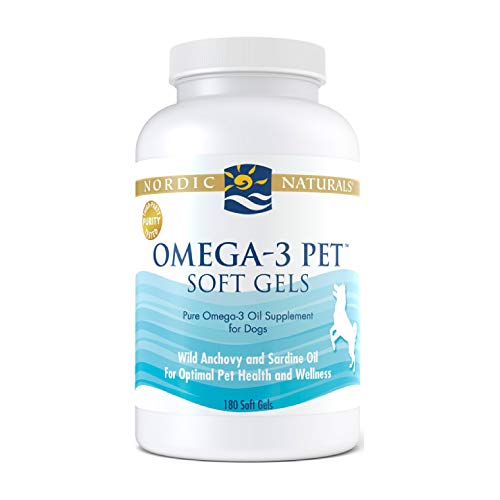
Features
- Soft gel capsules containing high-quality fish oil
- Derived from anchovies and sardines
- Provides EPA and DHA
- Supports skin and coat health, joint function, heart health, and cognitive function
- Available in various sizes suitable for all breeds and sizes of dogs
Advantages
- Convenient soft gel form for easy administration
- Provides a range of health benefits for dogs
- Made from premium-quality ingredients
- Available in different sizes to accommodate various dogs
Disadvantages
- Some dogs may have difficulty swallowing soft gel capsules
- Cost may be a consideration for pet owners on a budget
5. Vetoquinol Triglyceride Omega Liquid Dog Supplement

Features
- Liquid fish oil supplement
- Contains omega-3 fatty acids sourced from fish oil
- Formulated to support skin and coat health, joint function, and overall well-being
- Easy to administer by adding to dog’s food
- Comes in a convenient pump bottle for precise dosage control
Advantages
- Liquid form for easy administration
- Supports multiple aspects of canine health
- Precise dosage control with pump bottle
- Made from high-quality ingredients
Disadvantages
- Some dogs may not like the taste of the supplement when added to their food.
- Pump bottle packaging may be prone to leakage if not handled carefully.
6. Nutramax Welactin Omega-3 Fish Oil Liquid Supplement

Features
- Rich in omega-3 fatty acids derived from cold-water fish
- Designed to support skin and coat health, joint function, heart health, and cognitive function
- Easy to administer by adding to dog’s food
- Available in various sizes suitable for dogs of all ages and sizes
Advantages
- Supports multiple aspects of canine health
- Easy to administer by adding to dog’s food
- Available in different sizes to suit your dog’s needs
- Made from high-quality ingredients
Disadvantages
- Some dogs may not like the taste of the supplement when mixed with their food.
- Cost may be a consideration for pet owners on a budget.
Understanding Omega-3 Supplements
What are Omega-3 fatty acids and why are they essential for dogs?
Omega-3 fatty acids are a type of polyunsaturated fat, and they play a vital role in maintaining overall health for both humans and dogs. Now, what sets Omega-3s apart is their incredible versatility and their ability to support various bodily functions.One of the primary components of Omega-3s is two essential fatty acids: EPA (eicosapentaenoic acid) and DHA (docosahexaenoic acid). These fatty acids are like superheroes for your pup’s well-being. They’re involved in everything from promoting a healthy immune system to supporting brain function and maintaining a shiny coat and supple skin.But here’s the kicker – dogs can’t produce Omega-3 fatty acids on their own. Unlike some other nutrients that their bodies can synthesize, Omega-3s need to be obtained through their diet or supplementation. That’s where we, as pet parents, come in. It’s our responsibility to ensure that our furry friends are getting an adequate amount of these essential fatty acids to thrive. So, whether it’s through their meals or specially formulated supplements, incorporating Omega-3 fatty acids into your dog’s daily routine is key to supporting their overall health and well-being. After all, a healthy pup is a happy pup!
Different Sources of Omega-3s for Dogs
When it comes to Omega-3s, there’s a multitude of sources to choose from, but not all of them are equally beneficial for our furry friends. While plant-based options like flaxseed and chia seeds do contain Omega-3 fatty acids, they aren’t as potent or readily absorbed by your pup’s body compared to other sources. Enter fish oil – the holy grail of Omega-3 supplements for dogs. What makes fish oil stand out from the crowd? Well, it’s all about those superstar fatty acids – EPA and DHA. These two powerhouses are abundant in fish oil, particularly in fatty fish like salmon, mackerel, and sardines. But why are EPA and DHA so important? Let me break it down for you. EPA and DHA are incredibly bioavailable, meaning your dog’s body can easily absorb and utilize them. This makes fish oil a superior source of Omega-3s for our furry friends, ensuring they reap maximum benefits from their supplementation. Not to mention, EPA and DHA play a crucial role in supporting various aspects of your dog’s health, from cardiovascular function to joint health and cognitive function. So, when it comes to giving Fido the Omega-3 boost he needs, fish oil is the way to go. I certainly want only the best for my beloved pup; nothing less!Forms of Omega-3 Oils Come In
When it comes to picking out the best fish oil for dogs, there’s a variety of forms you can choose from. The two most common types of supplements are chewable pills and oils. Chewables are very similar to human vitamins you may take; they come in a container and can be fed to your dog like a treat. Chewables have a few distinct advantages over oils:- they’re easy to store
- easy to measure/portion (already in pill form)
- they’re not messy.
Benefits of Omega-3 Fish Oil Supplements for Dogs
 Now that you’re familiar with some excellent options for fish oil supplements, let’s delve into why they’re worth incorporating into your dog’s diet. Omega-3 fatty acids offer a plethora of benefits that can significantly enhance your furry friend’s overall health and well-being.
Fight Inflammation
One of the most significant benefits of Omega-3 supplements is their ability to combat inflammation. Many dogs, particularly as they age, suffer from inflammation-related issues that can cause discomfort and reduce their quality of life. Scientific research, including studies published by Dr. Amy Karon from the University of Wisconsin-Madison and the Journal of the American Veterinary Medical Association, has shown that Omega-3 supplementation can significantly reduce pain, lameness, and joint disease in dogs with conditions such as osteoarthritis.Healthy Skin and Coat
Omega-3s aren’t just beneficial for joints and muscles; they also promote clean, flake-free, and non-itchy skin. Dogs with skin conditions like atopic dermatitis can find relief with Omega-3 supplementation, as these fatty acids help to reduce inflammation and promote skin health. Additionally, Omega-3s can improve coat quality, adding moisture and reducing itching. They can also lessen the frequency and volume of pet dander, making them an excellent choice for households with allergy sufferers.Heart Health and Longevity
Omega-3s play a crucial role in promoting heart health and increasing longevity in dogs. Research has shown that Omega-3 supplementation can lead to a significantly longer survival time for dogs, thanks to their ability to improve cardiovascular health. Additionally, Omega-3s can be beneficial for dogs suffering from heart murmurs, when used in conjunction with appropriate medication, according to experts at the Cummings School of Veterinary Medicine.Enhanced Cognitive Function
Omega-3s are essential for healthy brain function in dogs and can make training easier by boosting cognitive abilities. Research published in the Journal of the American Veterinary Medical Association has shown that puppies fed a steady diet of Omega-3s exhibit better results in learning and cognitive tasks compared to those on diets with lower levels of DHA. This is why the American Kennel Club advises new dog owners to begin administering an Omega-3 regimen almost as soon as they get their new puppy through the door.Reduced Shedding
Many dog owners report a reduction in shedding after introducing fish oil into their dog’s diet. Omega-3s are known formulas that promote overall skin and coat health, leading to less shedding – a significant benefit for pet owners with dogs that shed heavily.Is it possible to give my dog too much fish oil?
Research has been done into the potential adverse effects of too much fish oil in a dog’s diet and a safe limit has been established. The formula for the safe upper limit is as such –That’s quite a lot! More than you’re likely to come close to with most supplements. Remember this though: while overfeeding Omega-3s typically isn’t a major concern, it’s essential to adhere to recommended dosages to ensure your dog’s well-being.Dog's weight in kg * .56 * 370 = safe maximum mg per daySo for a 50 lb dog, our formula would read:22.7 * .56 * 370 = 4703.4mg
Tips for Incorporating Omega-3 Supplements into Your Dog’s Diet
Recommended Dosage Guidelines
Determining the correct dosage of Omega-3 supplements for your dog is crucial to ensure they receive the optimal benefits without any adverse effects. While specific dosages may vary based on factors such as your dog’s size, age, and health condition, here are some general guidelines to consider:- Consult with your veterinarian: Before starting any new supplement regimen, it’s essential to consult with your vet. They can provide personalized recommendations based on your dog’s individual needs and health status.
- Follow product instructions: Omega-3 supplements typically come with dosage recommendations based on your dog’s weight. Be sure to follow these instructions carefully to avoid over or under-dosing.
- Start low and slow: It’s often recommended to start with a lower dosage and gradually increase it over time. This allows you to monitor your dog’s response and adjust the dosage as needed.
Ways to Administer Fish Oil Supplements
Incorporating Omega-3 supplements into your dog’s diet doesn’t have to be a challenge. Here are some easy and effective ways to administer fish oil supplements:- Mix it with food: One of the simplest methods is to mix the fish oil directly into your dog’s food. This ensures they consume the supplement without any fuss.
- Use flavored supplements: Many Omega-3 supplements come in flavored varieties that dogs find irresistible. Choose a flavor that your dog enjoys to make supplementation more enjoyable for them.
- Offer it as a treat: Some dogs may enjoy taking their supplements as a treat. Consider using fish oil capsules or chewable supplements as a tasty reward for good behavior.
Monitoring Your Dog’s Response and Adjusting Dosage If Necessary
Once you’ve started incorporating Omega-3 supplements into your dog’s diet, it’s essential to monitor their response and make adjustments as needed. Here are some signs to watch for:- Improved coat quality: Look for signs of shinier, healthier-looking fur.
- Reduced inflammation: Monitor your dog’s mobility and comfort levels, especially if they have arthritis or joint issues.
- Skin health: Keep an eye out for improvements in skin condition, including reduced itching and flakiness.
- Overall well-being: Pay attention to any changes in energy levels, appetite, and behavior.